
Mirror Programs for Importers & Distributors
Define the assortment, packaging and order conditions for your sales channel.
Build a range your channel can identify and maintain
Define the customer channel, sales destination and intended product tiers before choosing models. Group the range by lighting, outline, frame and cabinet installation needs. Record which functions are shared and which belong to individual configurations so your listings, quotations and cartons use consistent references.
Plan model quantities and the total order separately
Use the current 50-piece per-model/size reference as an input for review. The Cambodia route also has a separate one-40HQ order reference, with a proposed mixed-model combination reviewed against the actual pack. A per-model quantity does not establish an independent Cambodia shipment.
Create a product-data and packaging hand-off
List the model, selected dimensions, functions, finish, instructions, images and carton markings your channel needs. Distinguish design illustrations from exact-model production photography. Link each product-data item to the correct configuration and revision so a listing does not inherit another model's feature.
Prepare the first assortment and reorder baseline
Send quantities by model and size with the destination, packaging route and target timing. Identify brand artwork and approval responsibilities. For reorders, state the accepted drawing/sample and any proposed changes to components, finish or pack before carrying forward the earlier approval.
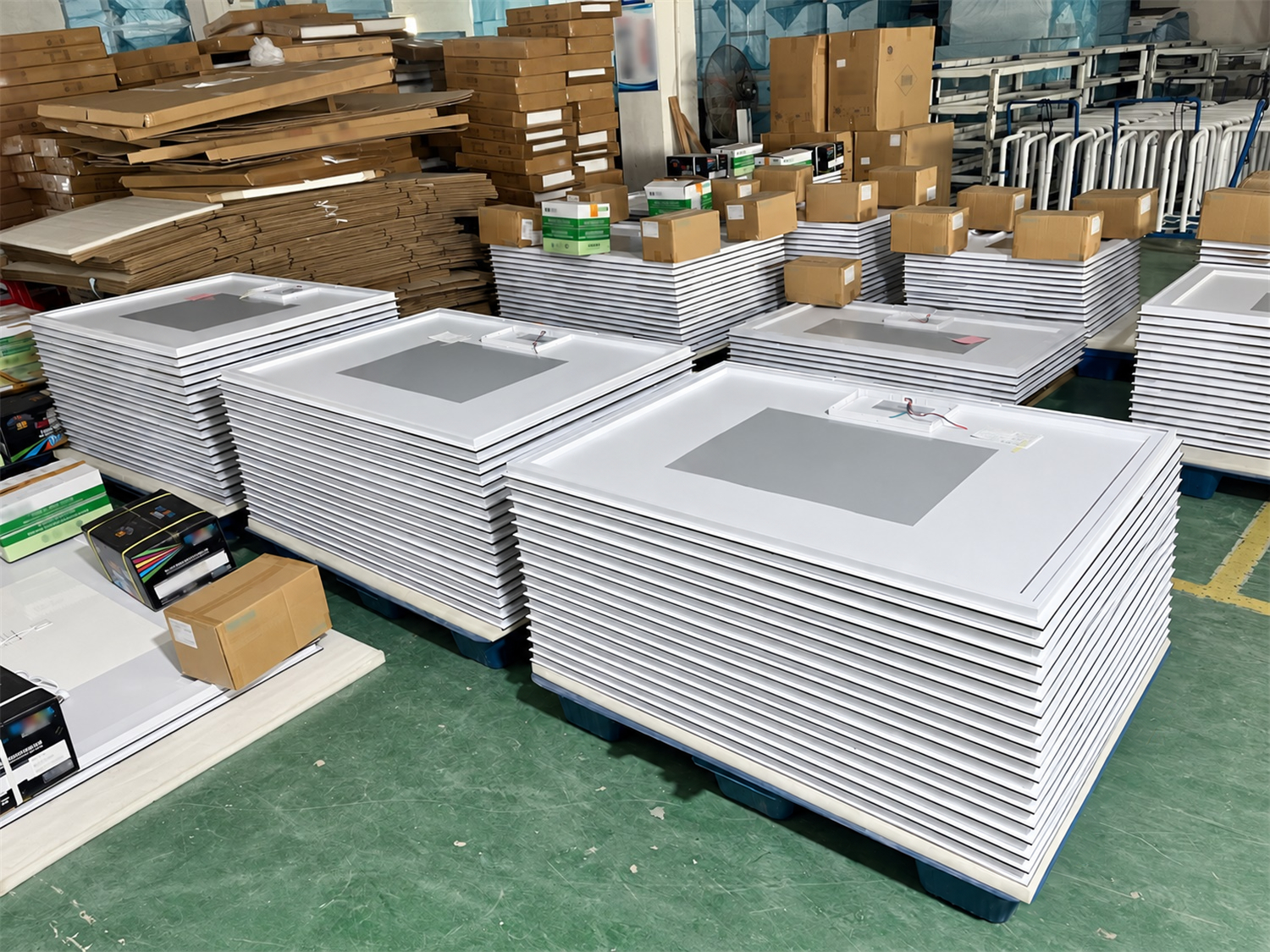

Private-label programme brief
| Workstream | Define | Retain |
|---|---|---|
| Range | Design directions, intended channel and destination | Selected references and configuration schedule |
| Brand / finish | Marks, packaging artwork and finish sample | Artwork/finish approval and revision |
| Technical data | Model, function, installation and document language | Source-matched product data and files |
| Order / loading | Quantity per model-size and packing route | Model mix, carton data and loading review |
| Repeat supply | What stays fixed and who approves changes | Baseline, substitutions and reorder review |
Channel requirements
- Sales destination. Identify the actual manufacturing location and sales destination with the selected product. Review the relevant process and document scope before accepting the proposed supply route.
- Brand and product positioning. Describe your purchasing role, target market and programme objective. Use that brief to select the product range, evidence depth and development or sourcing review needed.
- Assortment structure. Build the range around installation task, lighting direction, dimensions and finish. Record quantities by configuration so packaging, price and production planning use the same assortment.
Product and order review
- Product families and configurations. Identify the product family, complete reference and selected configuration. Resolve dimensions, finish and functions against one agreed drawing and component specification.
- Quantity by model. Identify the product family, complete reference and selected configuration. Resolve dimensions, finish and functions against one agreed drawing and component specification.
- Mixed-model order requirements. Identify the product family, complete reference and selected configuration. Resolve dimensions, finish and functions against one agreed drawing and component specification.
Packaging and repeat supply
- Container, distribution or parcel route. Match protection, carton markings and validation conditions to the selected mirror or cabinet and its delivery route. Retain the packaging revision and any applicable test record with the order.
- Carton and label requirements. Match protection, carton markings and validation conditions to the selected mirror or cabinet and its delivery route. Retain the packaging revision and any applicable test record with the order.
- Approved version and support terms. Identify the document title, issue date, revision and applicable model. Check that it is current for the order; retain superseded versions separately from the approved production reference.