
Plan LED mirror packaging around the actual product and route, then use carton dimensions, weights and model quantities for mixed-container review.
Packaging review has two connected outputs: a protected product arrangement and a loading plan based on real shipping-carton data. Product dimensions alone provide neither.
Select packaging from the product and handling route
Mirror size, glass, frame or cabinet construction, accessories and connection points affect protection. Container handling, parcel fulfilment and project-site delivery introduce different handling conditions. Define the route before accepting a standard packing description.
Review the complete protective assembly
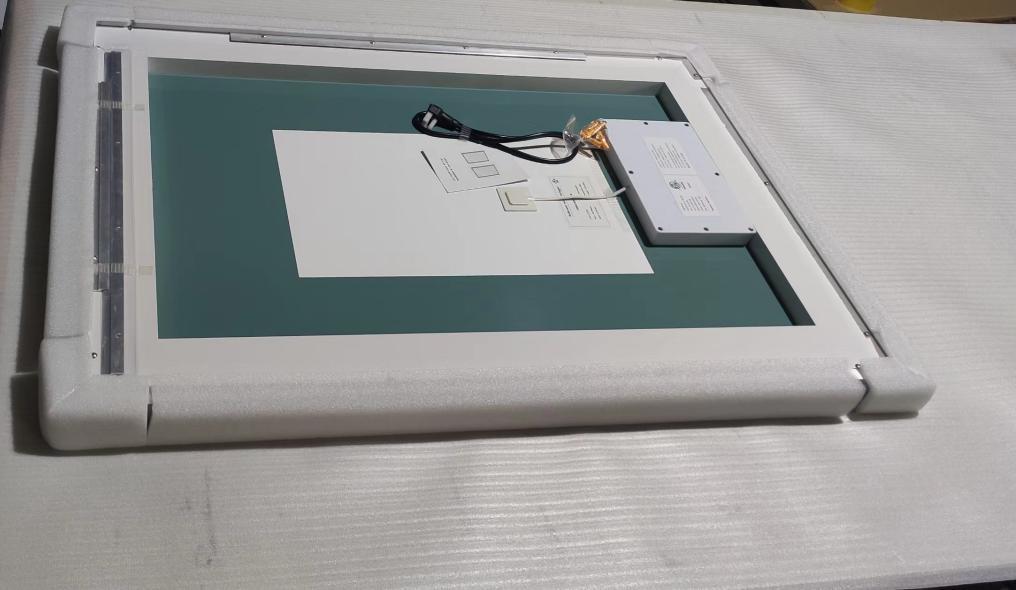
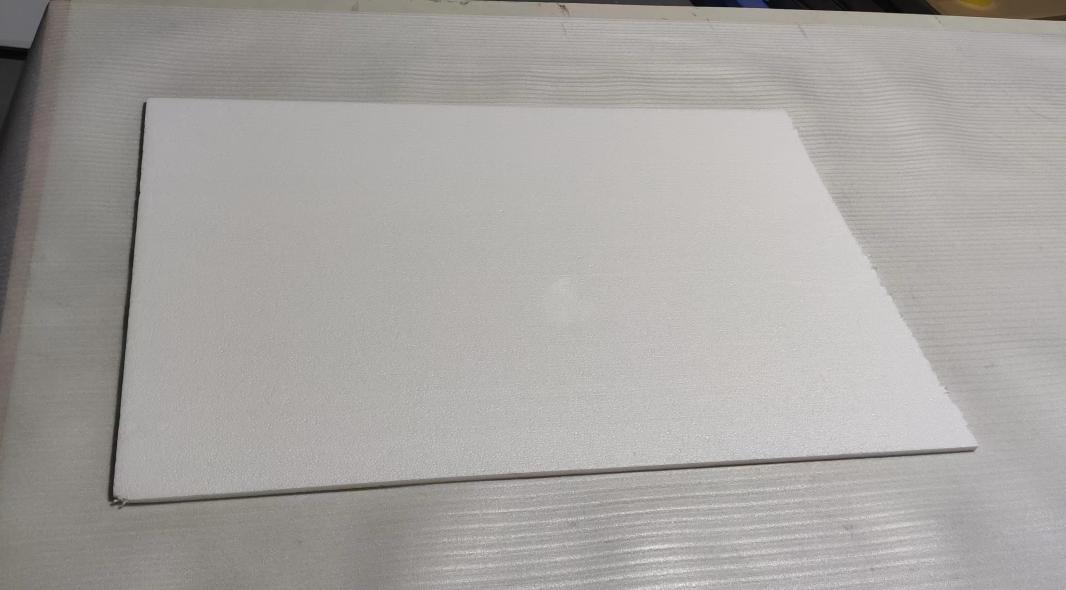
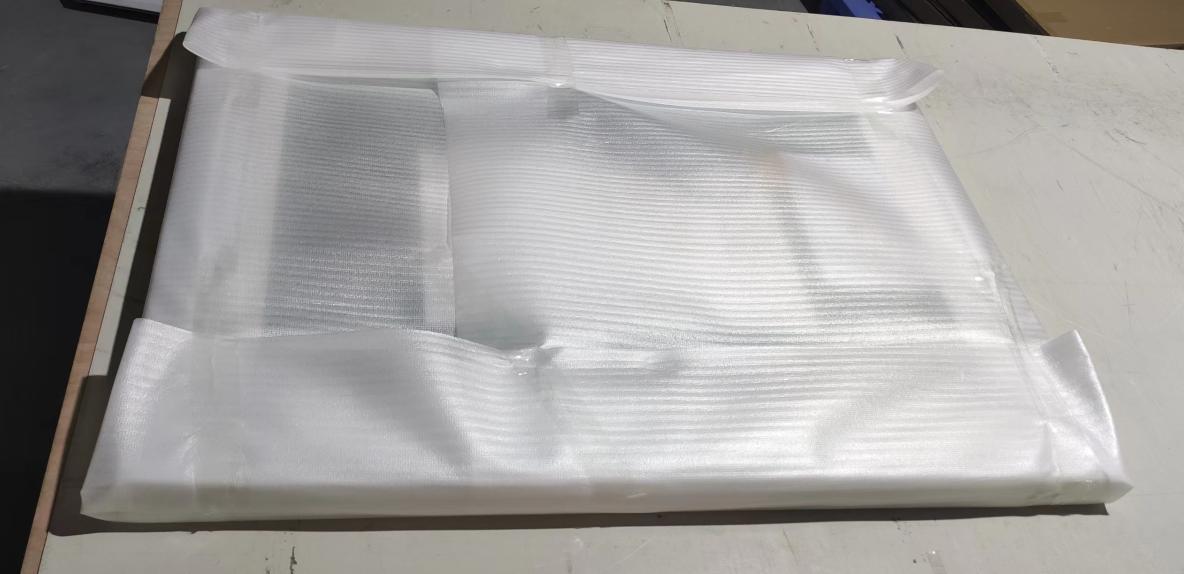
Check support around the mirror, protection over the glass, restraint of accessories and the outer carton or crate. Divas packaging examples show perimeter EPE, protective board and full coverage before the outer carton. The selected product and packing arrangement determine the actual specification.
Validate the packed model and packaging revision
A useful validation record identifies the product/configuration, pack arrangement, test method, conditions, acceptance criteria and result. A photograph explains how a pack is assembled; it does not establish that every size or shipping route has passed testing. Evaluate changes to glass, accessories, protection or carton construction against the accepted pack.
Calculate from the shipping carton, then review loading
Use external packed dimensions and gross weight, with units, quantity per carton and number of cartons by model. Carton CBM is length × width × height after converting all three dimensions to metres. A geometric volume total is only an input: actual loading also depends on orientation, stacking, restraints, weight distribution and the mixed-model arrangement.
Submit a mixed-model packing schedule
List the full model/configuration, quantities, carton dimensions and weights, packaging revision and delivery route. For phased projects, add room or unit labels and receiving sequence. Keep per-model quantities and the total order requirement separate when reviewing the Cambodia route.
| Record | Required information | Buying decision |
|---|---|---|
| Product/pack identity | Full model, configuration and packing revision | Which assembly the plan covers |
| External carton data | L × W × H, units, gross weight and quantity/carton | CBM and weight inputs |
| Handling conditions | Parcel/pallet/container/site route and accepted stack limits | Protection and validation scope |
| Mixed order | Cartons by model/size plus orientation/restraints | Reviewed loading plan rather than a volume-only estimate |
Related questions
Can we calculate a container quantity from mirror dimensions?
No. Use the external shipping-carton dimensions and weights, then review the actual loading and stacking constraints.
Does one drop-test record cover every custom size?
Only the scope identified by the record is established. Review whether a size, construction or packaging change needs further validation.
How should a mixed-model order be presented?
Provide quantities and carton data by complete model/configuration, with the intended route and packaging revision, so the combination can be reviewed.