
OEM & Private-Label Development
Start with a design brief, drawing, sample or collection requirement.
1. Define what the product needs to achieve
Start with the collection or project, intended buyer and sales destination. Provide a drawing, reference image or existing sample, target width and height, quantity mix and priorities for appearance, lighting, installation and packaging. A reference starts the design discussion; it does not replace a product specification.
2. Review feasibility and design trade-offs
Review the outline, glass or cabinet construction, frame/finish, lighting, controls and mounting together. Separate required features from options for evaluation. For value engineering, identify what must remain unchanged and which materials, construction or packaging choices can be compared within the target cost.
3. Accept a defined sample baseline
Agree what the sample needs to demonstrate and record the drawing/BOM revision, finish, light and control behaviour, installation and accessories. Resolve sample comments and accepted exceptions before treating the assembly as the reference for production.
4. Release and maintain the manufacturing programme
Confirm quantities by configuration, proposed factory, inspection requirements, packaging and applicable files with the commercial terms. For a repeat order or change, state the accepted baseline and identify what needs review again.
What can a private-label buyer prepare now?
Provide the product brief separately from logos, label artwork, carton markings and instruction-language requirements. Define approval responsibility for each item. The selected product and market requirements remain part of the review even where the visible change is branding.
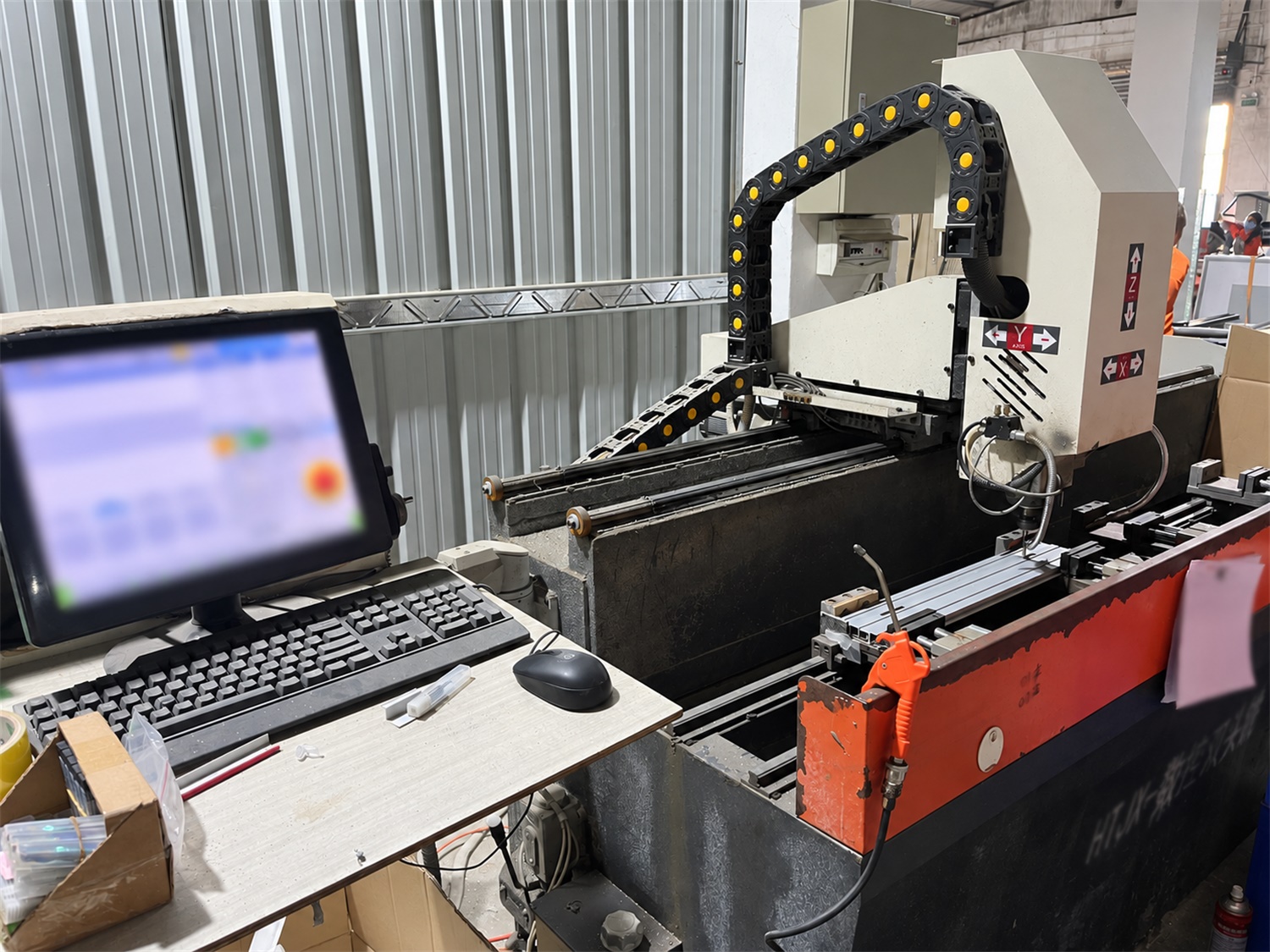
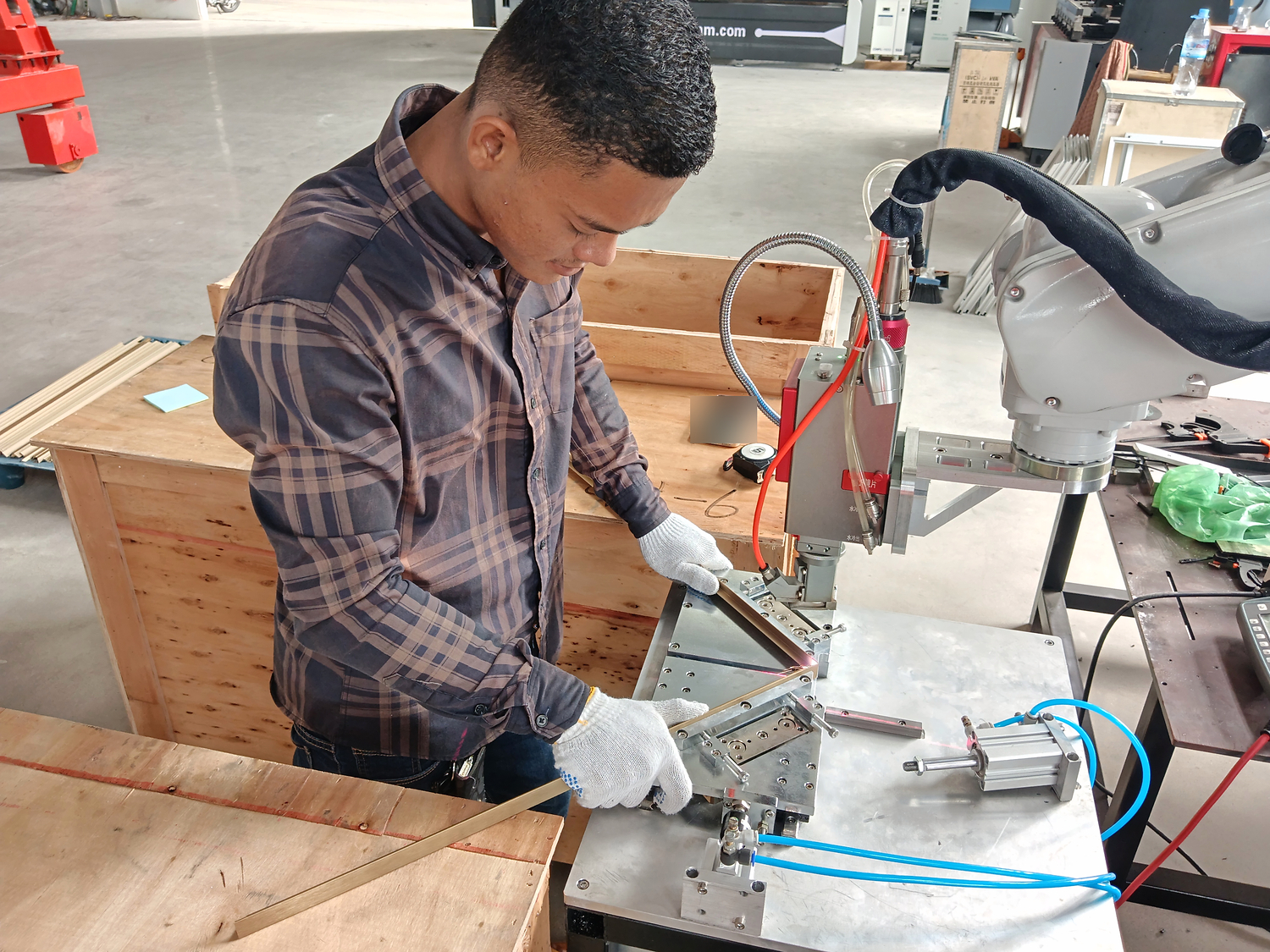
Development stages and useful outputs
| Stage | Buyer input | Output to agree | Release condition |
|---|---|---|---|
| Brief | Reference/design, W / H, destination, use and quantity | Proposed scope and open technical/commercial questions | Priority requirements identified |
| Feasibility | Installation, light/control and construction preferences | Proposed arrangement and design trade-offs | Actual assembly can be reviewed |
| Sample | Drawing/BOM and finish/control selection | Sample evaluation and exception list | Accepted or changes recorded |
| Freeze | Final functions, manufacturing route and packing | Controlled baseline and applicable documents | Approvers and version agreed |
| Production / repeat | Order mix and delivery requirements | Inspection/packing/release and change records | Any revision evaluated before reuse |
Development brief
- Product use and destination. Identify the actual manufacturing location and sales destination with the selected product. Review the relevant process and document scope before accepting the proposed supply route.
- Dimensions, appearance and structure. Record width, height and depth in millimetres, plus shape, mounting position and any rough-opening size. Check tolerances and clearances against the accepted drawing.
- Lighting, controls and installation. Confirm wall construction, fixing method, electrical supply, connection position and service access. Use the instructions and drawing applicable to the selected model and revision.
Engineering review
- Proposed changes. Record the proposed change and its effect on fit, function, documentation and packaging. Obtain the responsible approval before applying it to production or a repeat order.
- Design and manufacturing responsibilities. Share the intended appearance, dimensions, construction and priority requirements. Engineering review resolves feasibility, component choices and trade-offs before the sample and production specification are accepted.
- Open technical questions. Share the intended appearance, dimensions, construction and priority requirements. Engineering review resolves feasibility, component choices and trade-offs before the sample and production specification are accepted.
Sample and approval
- Drawing and configuration. Identify the product family, complete reference and selected configuration. Resolve dimensions, finish and functions against one agreed drawing and component specification.
- Sample review and revisions. Compare the sample with the agreed drawing, components, finish and functions. Record comments, the accepted revision and any changes requiring another sample or validation.
- Finish, packaging and approval reference. Match protection, carton markings and validation conditions to the selected mirror or cabinet and its delivery route. Retain the packaging revision and any applicable test record with the order.
Production hand-off
- Manufacturing location. Identify the actual manufacturing location and sales destination with the selected product. Review the relevant process and document scope before accepting the proposed supply route.
- Inspection and documentation scope. State which file you need and its intended approval use. Match the model, configuration and manufacturing location, and distinguish public selection material from controlled approval records.
- Change and repeat-order review. Record the proposed change and its effect on fit, function, documentation and packaging. Obtain the responsible approval before applying it to production or a repeat order.
Design and cost trade-offs
- Design priorities and alternatives. Share the intended appearance, dimensions, construction and priority requirements. Engineering review resolves feasibility, component choices and trade-offs before the sample and production specification are accepted.
- Changes affecting structure, finish, controls or packaging. Specify the lighting direction, colour temperature and control behaviour required by the brief. Resolve driver, switching, dimming and any additional functions in the engineering review.
- Cost assumptions and approval responsibilities to confirm. Provide quantities by configuration, destination, target timing and distribution route. Confirm price assumptions, support responsibilities and order-specific terms in the quotation and accepted purchase order.
Related buyer questions
From Sample Approval to Bulk Production: What Buyers Should Freeze
Define the drawing, components, finish, lighting, packaging and approval record that connect an accepted LED mirror sample to bulk production and reorders.
Read the guide BUYING GUIDELED Mirror Supplier Qualification: An Evidence Checklist
Qualify an LED mirror supplier using product-specific factory, engineering, sample, quality, certification and packaging evidence rather than general claims.
Read the guide BUYING GUIDEFrontlit vs. Backlit LED Mirrors: A B2B Selection Guide
Compare frontlight, backlight and combined lighting for face illumination, wall effects and B2B sample approval. Define the task before selecting a Divas model.
Read the guide